Durham Impact
/prod01/prodbucket01/media/durham-university/alumni-/keep-making-history/Durham-Impact.png)


Durham Impact
 Durham research pushes the boundaries of human understanding, from the frontiers of space to climate science and cultural heritage.
Investing in the future of science at Durham
Our bold 10-year science strategy invests in people, partnerships, and facilities to answer the world’s most urgent questions. We’re researching quantum technology, new applications for AI, renewable energy, climate-resilient soils, space exploration, biomolecular interactions, robotics and automation. This requires interdisciplinary work including experts from across all our departments and faculties. Your support will equip our researchers with the resources to lead on these vitally important discoveries.
With your support, we will:
- Establish Professorial Chairs and Postdoctoral Fellowships to attract world-leading talent.
- Invest in the Science Transformation Programme and the Culture, Heritage and Humanities Programme.
- Continue to deliver world-class research across all of our faculties to tackle global challenges like natural hazards and risks, climate and energy, while also enriching society.
Together, we will make discoveries that transform lives and keep Durham at the forefront of global research.
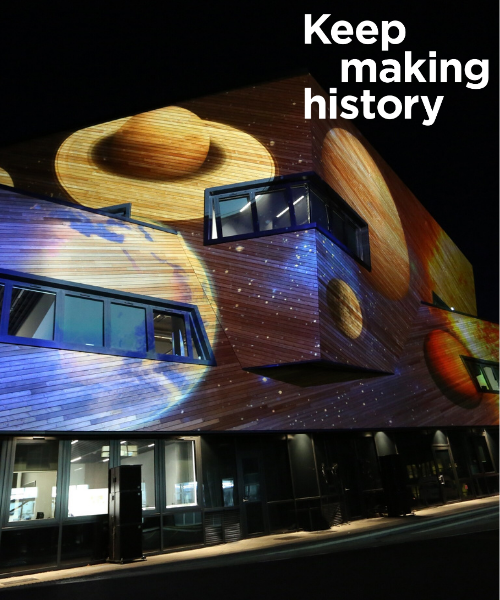
Image: The Ogden Centre for Fundamental Physics.
Culture, Heritage and Humanities
Durham’s Culture, Heritage and Humanities Programme builds on our global strength in Arts and Humanities. This includes our Transformative Humanities research initiative connecting humanities research with areas like digital technologies, creativity, environment, medicine and heritage science.
Fuel innovation, inspire change
Your donation could support:
- Professorial Chairs – permanent leadership in key research areas.
- Postdoctoral Fellowships – nurturing emerging research talent.
Shaping the future of the Catholic Church
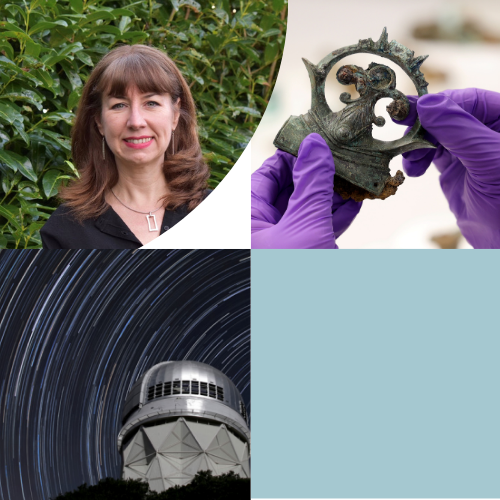 Professor Anna Rowlands’ research helped shape the Synod process under Pope Francis, advising The Vatican on governance, the global listening project and migration – a testament to Durham’s far-reaching influence.
Research that makes a difference
From ancient history to outer space, Durham research is shaping how we understand the world.
Our academic staff conduct forward-thinking, interdisciplinary research and collaborate with a broad mix of partners to enhance global knowledge.
Exploring the expanding Universe
Durham physicists, many of them based at our Ogden Centre for Fundamental Physics, are global leaders in space science, contributing to the James Webb Space Telescope and the Dark Energy Spectroscopic Instrument(DESI) collaboration to unravel the mysteries of dark energy.
Unearthing the Melsonby Hoard
A discovery of over 800 Iron Age artefacts from nearly 2,000 years ago is rewriting Britain’s ancient past – excavated, conserved and studied by Durham’s archaeologists.
Top image from left to right: Professor Anna Rowlands, a piece from the Melsonby Hoard. Bottom image: DESI is installed at the Nicholas U Mayall four metre telescope, Kitt Peak National Observatory. Credit: KPNO/NOIRLab/NSF/AURA/P. Marenfeld.
Taking the fight to tropical disease
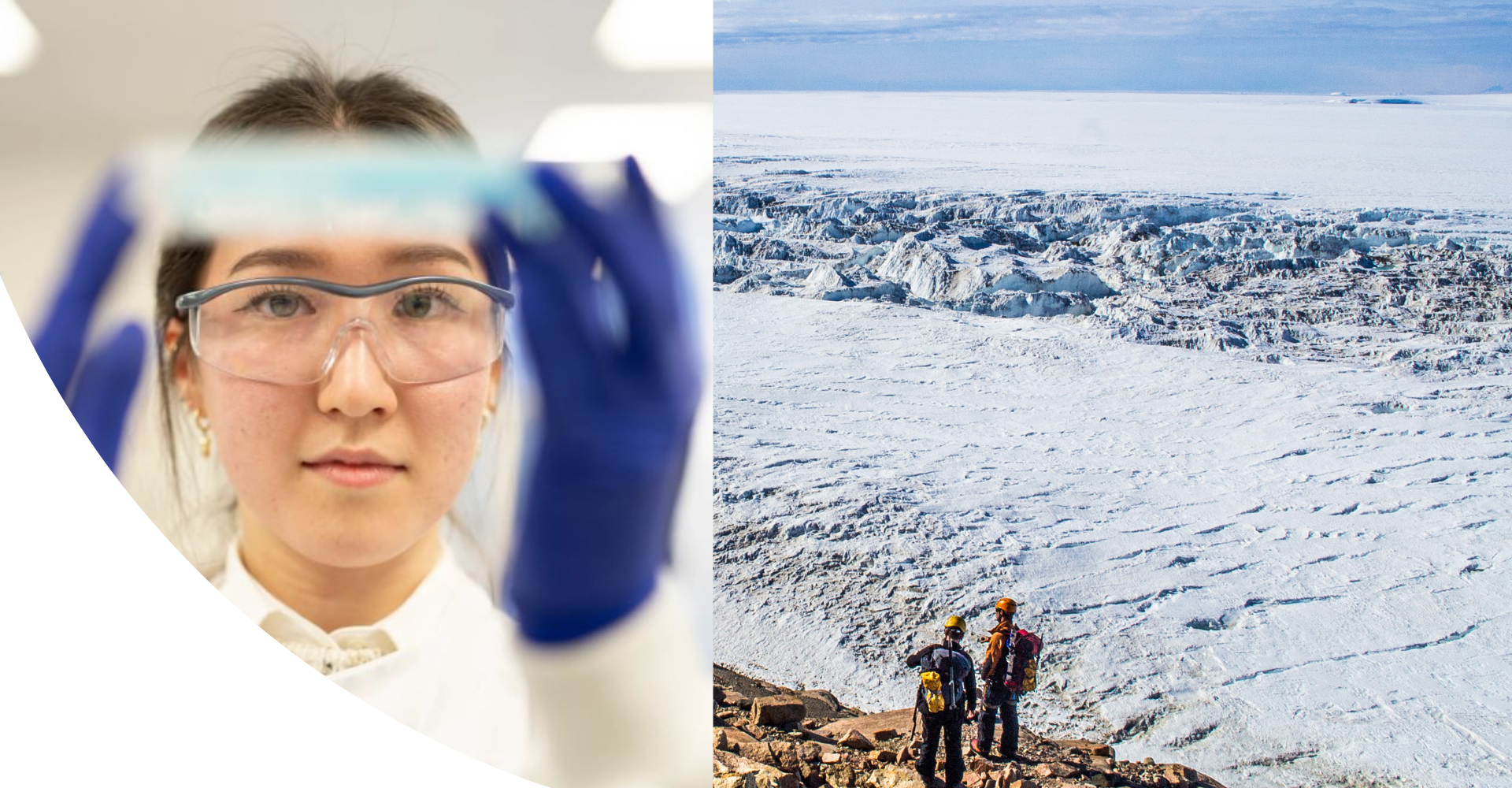
Durham scientists have developed new techniques and drugs to combat neglected tropical diseases
such as leishmaniasis and Chagas disease. This work attracted private sector partners and earned
the Medical Research Council’s Outstanding Team Impact Prize.
Monitoring the effects of climate change on ice sheets
Durham geographers are revealing how polar regions respond to climate change, guiding global policy. Researchers from our Business School, Geography and Law have also been directly involved in the United Nations Conferences of Parties (COP) since 2021.
Right image: polar ice sheets (credit: Richard Jones).