

/filters:quality(70)/prod01/prodbucket01/media/durham-university/attractions-/botanic-gardens-/79619-1920X290.jpg)
ELEVATE-ProClima Workshop hosted by the European Commission (DG ENER) in Brussels
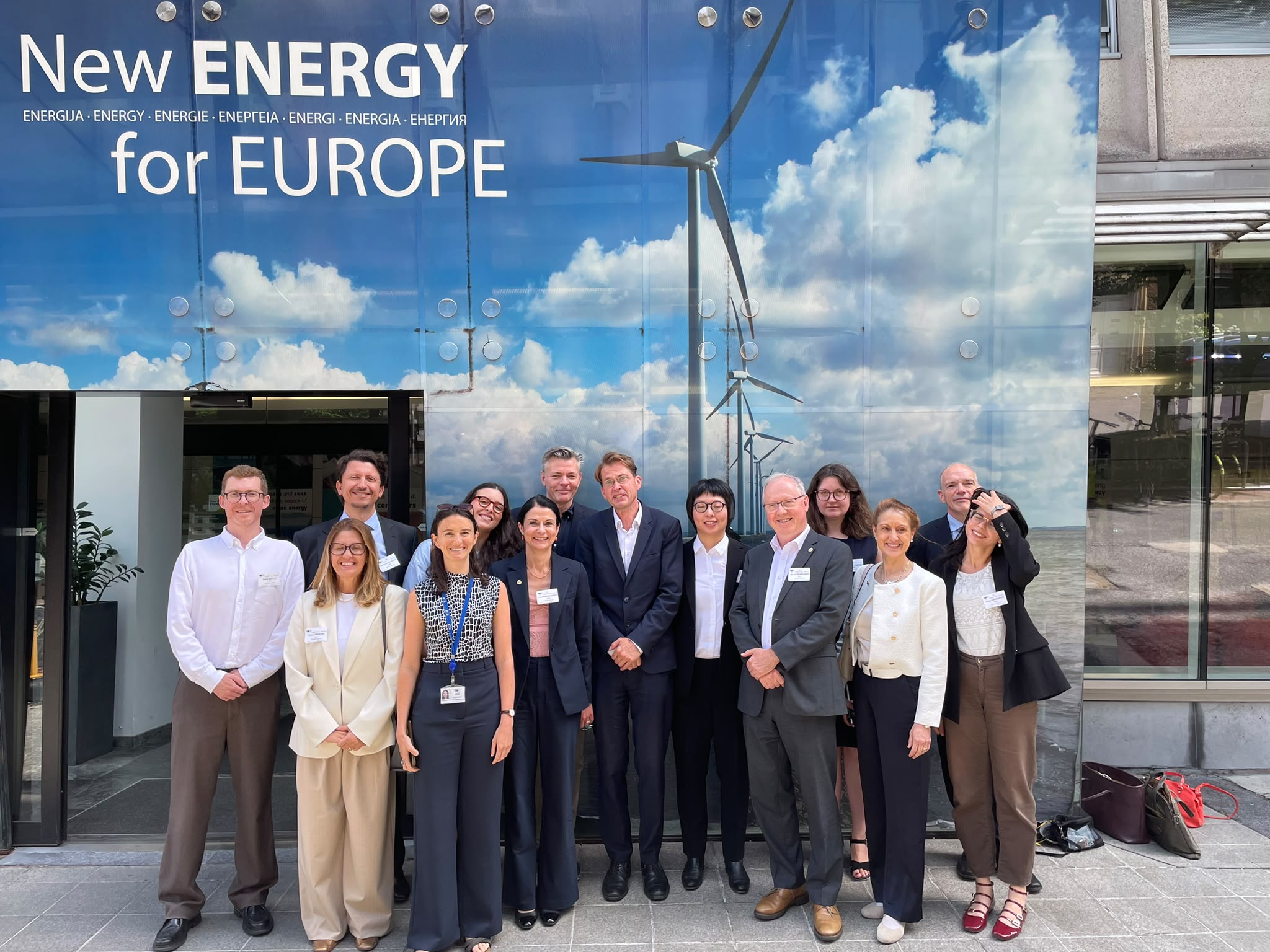
How can we better translate climate science into nationally determined contributions (NDCs)? This question was at the heart of the ELEVATE-ProClima Workshop, that brought together researchers, policymakers and international organisations to explore how scientific evidence informs setting ambitious targets to reduce greenhouse emissions in Nationally Determined Contributions (NDCs) and negotiations towards COP31.
Funding from The British Academy enabled our team of CSDLP researchers, together with colleagues from the University of São Paulo, to engage with experts from the European Commission (DG ENER & DG RTD), Science Europe, the UNEP, the Coimbra Group and Uppsala University on key challenges at the science-policy interface, including how research is accessed, translated and communicated to policymakers and wider society. The project examined the current state of international climate law, evidence-based policymaking, gender-responsive climate action, and the role of interdisciplinary research as reflected in 119 NDCs 3.0 studied so far.
One message resonated throughout the workshop: the challenge is no longer a lack of climate science, but how scientific knowledge is selected or set aside by political considerations; and if selected, how it is then translated into ambition and legal targets. From the growing legal significance of best available science in international climate law, to improving evidence uptake in NDCs, strengthening knowledge translation and fostering collaboration across disciplines, these discussions highlighted once again that science informed NDC design is still in its infancy.
Key findings from our discussions were as follows:
- Best available science is emerging as a key concept for implementing the Paris Agreement, with the ICJ recognising the growing legal significance of IPCC science in its Advisory Opinion on climate change.
- We need to better understand why and when science is set aside by political considerations.
- Science is often not available, or not delivered in time. Rapid evidence synthesis and Diamond Open Access can help overcome these barriers.
- Women's participation in climate policy making depends on gender responsive NDCs. The participation of women in the implementation of NDC depends on references to women and the relevant government agencies.
- Climate policy making at the national level must be transversal, engaging all relevant ministries, decision-makers and governance mechanisms.
A full ELEVATE-ProClima project report will be published shortly.
We thank our project partners at the University of São Paulo and all the organisations that joined us for this workshop. Together, these discussions have laid the foundations for future research on how best available science can be more effectively translated into ambitious climate action.