/filters:quality(70)/prod01/prodbucket01/media/durham-university/research-/research-centres/dc-for-classics-education-research-and-engagement/Design-ohne-Titel-(1).png)
Event and News archive
2026
April
Leading researcher wins top prize for transforming access to Classics
.png)
Classics researcher Professor Arlene Holmes-Henderson MBE has been recognised with one of the field’s top national honours.
Arlene has received the 2026 Classical Association Prize.
It is awarded each year to recognise outstanding contributions to the promotion of Classics in the UK and given to the person who has done most to raise the profile of Classics in the public eye.
Arlene’s work focuses on widening access to Classics in schools, prisons, museums and communities.
Her award means that Durham is the only university to have two female winners of the prize after it was previously awarded to Professor Edith Hall in 2023.
This is a significant achievement for Durham and reflects our strong commitment to making the study of Classics more inclusive.
Opening classics to new audiences
Arlene leads many projects that bring Classics to new audiences.
One example is the Advocating Classics Education project which, since 2017, has increased the number of young people studying the ancient world at GCSE and A Level by more than 30%.
Through teaching and outreach, the project now offers prisoners the chance to study Classics.
This helps to build their confidence, communication skills and find their purpose.
Feedback has been universally positive, and the project has attracted national press attention.
To support the project’s future, a public fundraising campaign has been launched to secure long-term funding for teaching Classics in prisons.
Shaping policy discussions
Arlene is currently contributing to a cross-government project exploring the key factors that influence and shape the future of childhood in the UK.
As the first Humanities scholar to be seconded into the Government Office for Science as an Expert Secondee, she is bringing interdisciplinary insights.
She acts as expert advisor to three All-Party Parliamentary groups and currently holds British Academy funding to explore how young people can contribute effectively to policymaking.
Building on Durham’s strengths
Charlotte ‘Lottie’ Parkyn, Partnerships Officer for the Classical Association, presented Arlene with her award at a ceremony in Manchester, UK, and said: “Arlene has reshaped how we think about Classics, not as an exclusive discipline, but as a dynamic, inclusive, and socially meaningful field that can change lives.
“Her work has strengthened its place in schools, universities, and public discourse and has demonstrated its enduring value in shaping both individuals and society.”
March
Prestigious visiting professorship awarded to Prof. Arlene Holmes-Henderson
Warmest congratulations to Prof. Arlene-Holmes Henderson who has been awarded the Gulbenkian Professorship in the Humanities.
The Professorship sees Portuguese higher education institutions host visiting professors from international universities with distinguished academic record and Humanities expertise.
Prof. Holmes-Henderson will take up the Professorship at the Universidade de Lisboa during the academic year 2026–27. She will work with Portuguese colleagues on Classics education, pedagogy, assessment and policy, co-authoring publications meeting policymakers and hosting an international conference.
Please join us in offering our deep congratulations to Prof. Holmes-Henderson on this very competitive and prestigious award.
Prisons teaching project wins accolade at the annual national Outstanding Achievement Awards
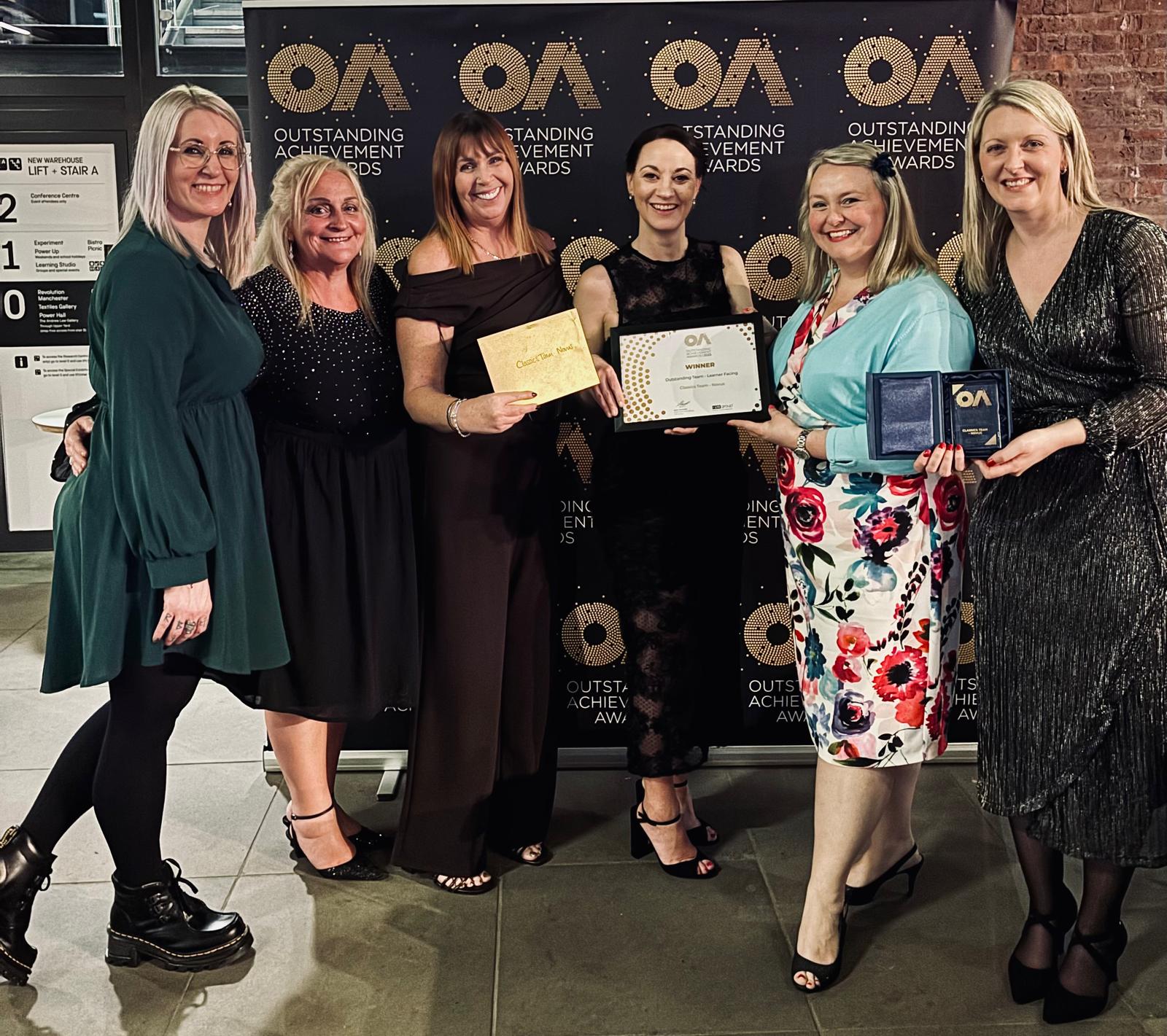
Congratulations to our Classics researchers on winning the Outstanding Team Quality Award- Learner Facing at the annual national Outstanding Achievement Awards.
The team, led by Professor Edith Hall and Professor Arlene Holmes-Henderson, won the award for the 'Ancient Wisdom, Modern Lives' project they have delivered in prisons. In partnership with the prison education charity Novus - Foundations for Change, Durham University Classics colleagues and PhD students, the Durham-funded project uses Aristotle's Ethics and Rhetoric to teach communication skills, improve confidence and boost social cohesion in prison environments. The team recently picked up their award at a ceremony at Manchester’s Science and Industry Museum.
The LTE group's Outstanding Achievement awards had 742 nominations this year. Congratulations to all members of the Durham team: Edith Hall, Arlene Holmes-Henderson, Rosie Wyles, George Gazis and Phil Horky, as well as Novus educators from 3 prisons.
Professor Edith Hall was unable to attend the ceremony as she was in Athens receiving another accolade: the International Hellenic Prize, awarded for her acclaimed book ‘Facing Down the Furies’. This prestigious award is presented annually to a scholar whose work has made a significant contribution to the understanding of Hellenic culture, history or literature.
2025
December
Humanities researcher joins UK government project shaping the future of childhood

Our pioneering Classics researcher, Prof Arlene Holmes-Henderson, has joined a government project exploring the key factors that influence and shape the future of childhood in the UK.
The Future of Childhood and Adolescence project will examine the societal, environmental and technological shifts that impact children and teenagers.
The project’s experts will analyse how forces such as AI, social cohesion and health shape young people - and explore how these factors might change over coming decades.
The aim is to help policymakers plan for the opportunities and challenges facing young people across the UK.
Strong track record in education research
Arlene, who has already undertaken extensive work to inform UK education policy, is the first Humanities specialist appointed to the Department for Science, Innovation and Technology’s Expert Exchange Programme.
Drawing on more than a decade of classroom experience, as well as extensive research on oracy, educational inequalities and youth justice, Arlene will contribute her expertise grounded in real-world insights.
Her role will ensure that evidence from the Arts and Humanities is assessed alongside STEM and Social Sciences research, bringing a richer picture of childhood to inform national policy discussions.
During the secondment, Arlene will spend two days a week working with teams in the Government Office for Science in both Whitehall in London and the Darlington Economic Campus in North East England.
Arlene will continue her teaching commitments at Durham which include her new ‘Engaging Policymakers with Arts and Humanities Research’ MA module.
During this year-long module, students are brought directly into conversation with civil servants to build their capacity and anchor theoretical research in professional practice.
Driving positive change
Arlene said: “It’s exciting to bring a Humanities lens to a cross-government project of this scale.
“I hope this work not only contributes to a stronger evidence base for policy, but also opens the door for more Humanities researchers to be part of expert teams working alongside civil servants in government.”
Arlene’s secondment to The Future of Childhood and Adolescence project will run until summer 2026.
It will culminate in the publication of a final report by the Government Office for Science.
September
-
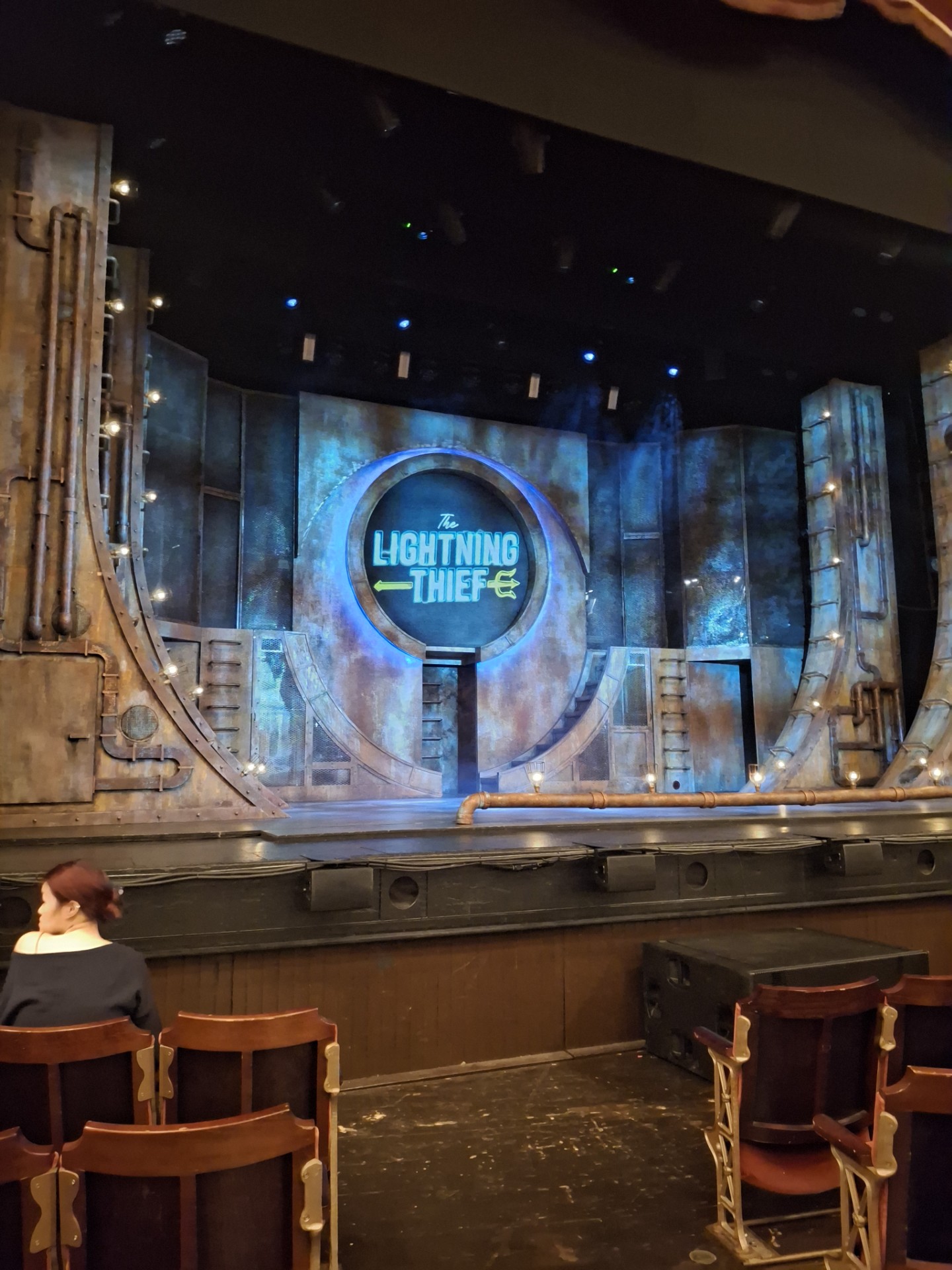
I saw The Lightning Thief: The Percy Jackson Musical twice - once at The Other Palace in London and once at the Festival Theatre in Edinburgh - and both performances convinced me of the same thing: this is a loud, scrappy, and genuinely effective piece of theatre that knows exactly who it’s for. It smartly rewards familiarity while still keeping the plot coherent and attractive to newcomers. Similarly, it does this for the classical elements too! References to Greek myths are abundant in the show, keeping with Rick Riordan’s success of creating a gateway to a more accessible ancient world, sparking curiosity for many.
The adaptation choices were pragmatic and mostly effective. Hades’ helm and the ‘Thrill-ride of Love’ subplot have been removed and the final encounter is staged as a fight rather than with the scorpion, a choice that aligns the production with the Disney+ version more than the original novel. Those cuts speed up the narrative and keep the performance pacey; purists will miss some beats, but the production prioritises clarity, momentum, and theatrical payoff over exhaustive fidelity.
The snarky quips and passionate punk-rock-pop tunes drive home that the composer Rokicki truly understands the currents underneath Percy’s character - keeping iconic lines such as “we are impertinent” alongside songs like “Good Kid” puts a fan’s mind at ease - we are in good and safe hands. I was also pleased to see “Try” included, a song that wasn’t in the original cast recording. Its reprise, with Percy, Annabeth and Grover singing each other’s lines, adds depth to their friendship and an emotional through-line that is missed if you have solely listened to the album. This friendship is something that Riordan prioritises and encapsulates in the book, so having it reflected on stage was satisfying.
The only place where the production fumbled a little was some awkward staging. Where in the thrust stage of The Other Palace the actors running back and forth felt natural and communicated the distress of the characters, in the proscenium of The Festival Theatre it meant that, at times, it was clunky and it seemed as though the characters were about to run off stage. This ruined the climax of a couple of songs. This could be chalked down to a touring cast working with many different stage types - a proscenium stage, being the standard, traditional stage isn't as successful conveying the themes of the musical as a less conventional thrust stage is. The plot of Percy Jackson thrives on rebellion against norms. Sally and Percy’s mother and son duet “Strong” backs this up through its messaging about celebrating difference, and its superiority over conforming.
From an academic perspective the musical performs valuable cultural work even while it simplifies ancient material. It is not a textually faithful re-telling of classical sources, yet it drip-feeds mythic motifs - Lotus-Eaters, the Oracle of Delphi, Medusa - enough to seed curiosity. Percy Jackson functions as an invitation to the classical world; it brings in a new audience by making the ancient Greek elements contemporary and relevant to teenagers. In that sense the show is an accessibility triumph; it’s not a substitute for studying Classics, but it is a highly effective gateway. It was brilliant to see many school trips in the audience - whether English, Theatre, or Classics classes, I am sure they all had a memorable night. I hope the teachers will open up conversations about the reception of Greek Myths with more ease now that the students are hooked by the Percy Jackson and the Olympians universe.
Overall, The Lightning Thief: The Percy Jackson Musical is an exuberant, occasionally rough-around-the-edges piece of theatre that does a brilliant job bringing myth to a teenage audience - and in doing so, it does the study of Classics a service by sparking curiosity, conversation, and a hunger to learn more.
4 out of 5 stars ⭐
.
- ‘Why Cicero Matters: in conversation with Dr Vittorio Buffachi’:
Prof Holmes-Henderson at ClassicsFest, Newcastle Lit and Phil (May 2025)
- ‘Classics in Schools’
Prof Holmes-Henderson at ClassicsFest, Newcastle Lit and Phil (May 2025)
Taking Classics Education research global: FIEC 2025
The international ambitions of CERES will be explored in greater depth when Arlene chairs two panels at the FIEC (Federation of international Classical Associations) conference in Wroclaw, Poland, in July 2025. Bringing together colleagues (at all career stages) from Euroclassica, the UK, Belgium and the USA, she will investigate the appetite for an international network of classics educators, and will identify next steps to make this a reality.
Who are the CERES PhD students?
CERES hosts the following PhD stduents:
Katharine Russell: The Noise of the Girls: contemporary female fiction and the reframing of school students' classical imaginations
Iaomie Malik: Factors affecting Latin provision in primary schools in the North East of England
Fiona Henderson: What Makes a Monster? A study on children’s interpretations of heroic agency and monstrous nature in the Perseus myth.
Lucy Charilaou: Foreign Language Education in England: Exploring Learners’ and Teachers’ Attitudes & Motivations
Angela Nash: Exploring the impact of Latin teaching on neurodiverse teenage learners
New publication: Classical Civilisation and Ancient History in British Secondary Education
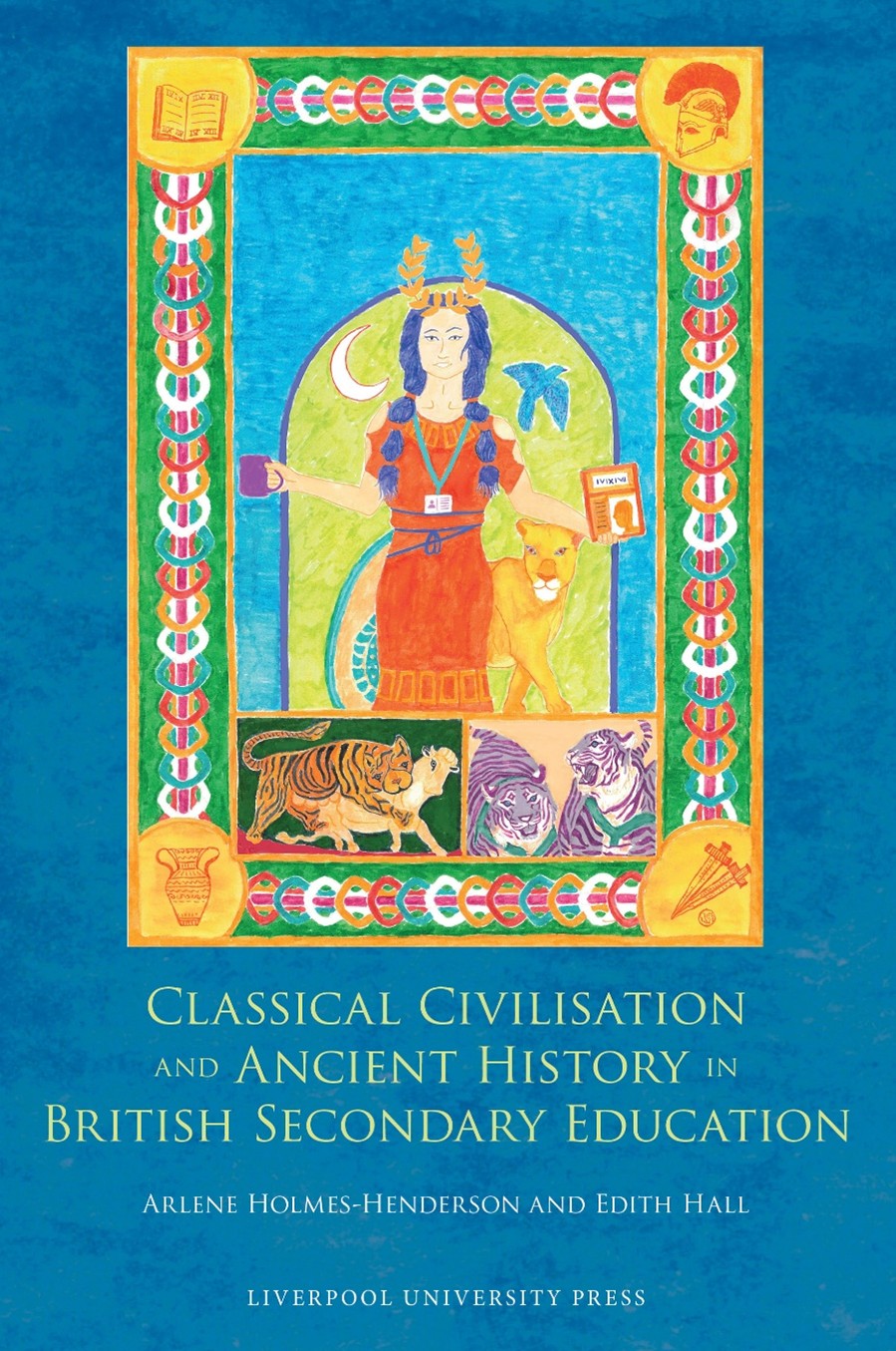
Arlene Holmes-Henderson and Edith Hall have written an important new book on the history of Classical Civilisation and Ancient History in British schools. It will be published by Liverpool University Press in August 2025 and will have two launch events. The first launch event will be hosted in Parliament by Dr Peter Swallow MP on Monday 8th September. The second event will be hosted at Marylebone Boys’ School (London). Both events will celebrate the 60th birthday of Classical Civilisation as an examined subject in England, and will allow policymakers, politicians, academics and teachers to engage in conversation about the future of these subjects in the curriculum.
In 2024, Classical Civilisation was OCR exam board’s fasted growing GCSE subject and exam entries for Ancient History are at their highest level since the qualification began. Both subjects are taught widely in the state-maintained sector.
Making headlines again: Classics education in Prisons
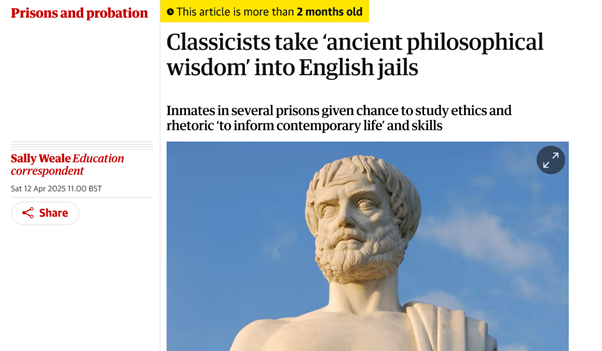
Since September 2024, Arlene Holmes-Henderson and Edith Hall have been teaching Classics in prisons. The first prison they visited was HMP Deerbolt near Barnard Castle in County Durham. Over four months, they introduced adult male (and some youth offenders) to the art, archaeology, literature, philosophy and drama from the ancient world. Learner feedback was incredible positive, both about the content of the course, and about the friendliness of Durham University professors. The podcasting team from ‘Against the Lore’ captured much of this feedback (by interviewing learners in situ) which is now available here.

They taught intensively for a weel in a youth offender institution in the Midlands in March 2025 and in a women’s prison in June 2025. Once again The Guardian covered this project and its impact:
Visiting local schools
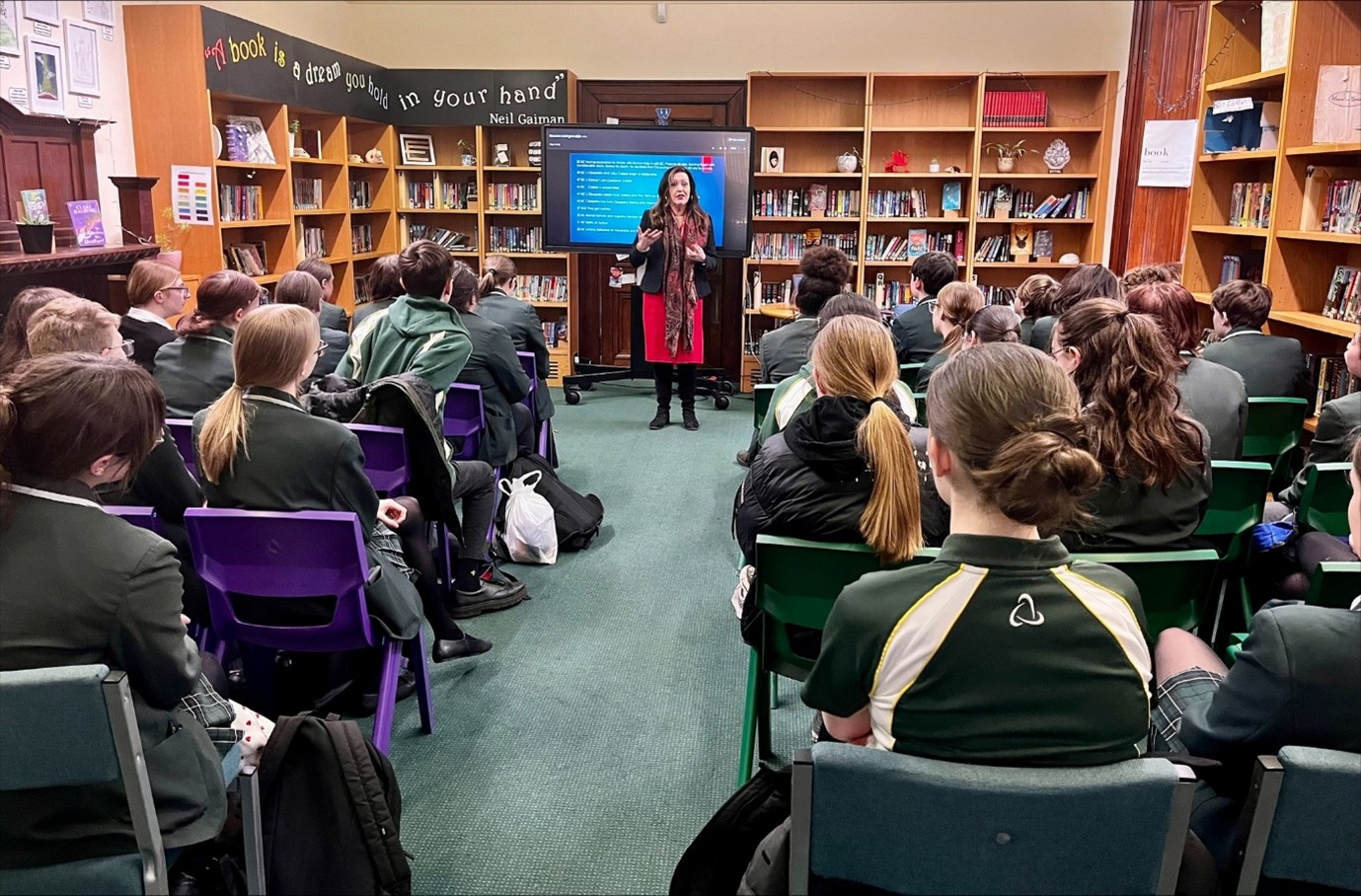
In March 2025, Arlene Holmes-Henderson, Edith Hall, Magdalena Zira and Phil Horky visited Polam Hall School in Darlington to lead several enrichment sessions for students of Classics and Drama. Dr Zira is an award-winning playwright from Cyrpus so she inspired Darlington pupils about the employment opportunities in creative industries.
Prof Horky led sessions on philosophy, Edith Hall led sessions on ancient drama and Prof Holmes-Henderson led sessions on rhetoric, argumentation and effective communication.
Teacher Rosalind Stewart at Polam Hall, and her students, wrote to the Durham University CERES team, thanking them for an ‘utterly inspiring and unforgettable day’.
Access to Classics education in England’s North East: teacher event
We ran a two-day event for teachers and stduents of classical subjects from across the North East in February 2025. On Day 1, Durham University challenged learners to a ‘treasure hunt’ in the Oriental Museum. This was great fun! They then enjoyed a handling session with archaeology colleagues and a visit to the university special collections library where they saw lots of Latin!
Day 2 provided professional development for teachers at Hardian’s Wall. By working in partnrship with the Wall’s curator (Frances McIntosh, English Heritage) and colleagues from the Great North Museum Hancock, teachers were supported to learn more about the legacy of the Romans across the North East.
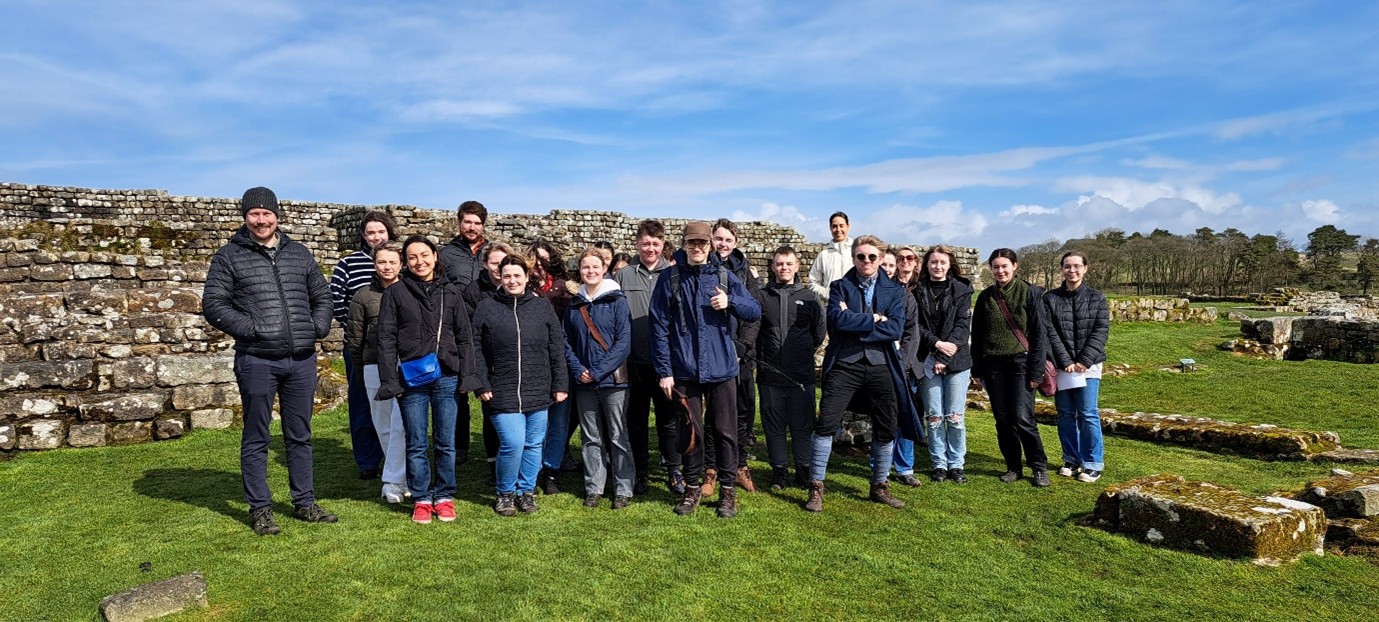
In collaboration with Dr Laura Hope (co-ordinator of the Classics for All North East hub), Arlene is developing a network of teachers from primary, secondary and tertiary education settings across the North East.
The work to ‘map’ access to classical subjects in the North East is now complete and finsings will be published as ‘Hadrian in hiding? Investigating access to Classics education in the North East of England’, a chapter in Edith Hall’s forthcoming book ‘Classical encoutners in England’s North East’ (Routledge, 2026).
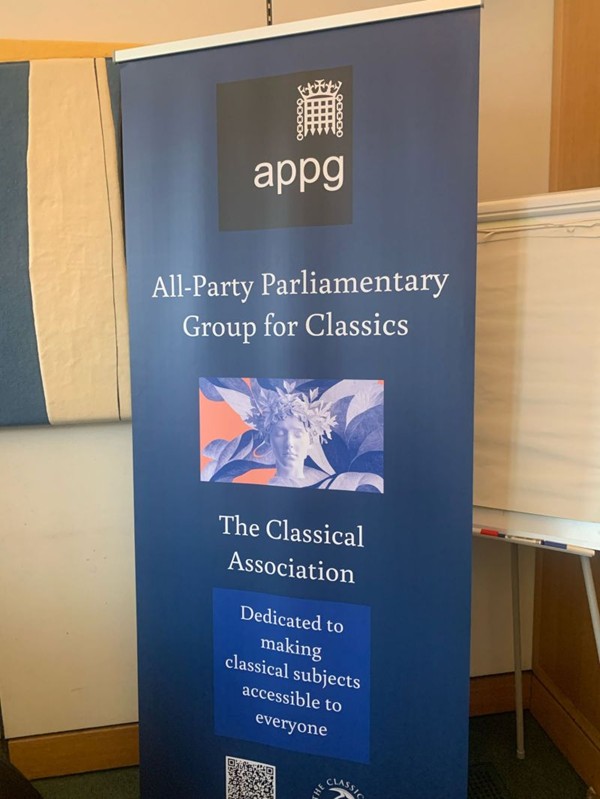
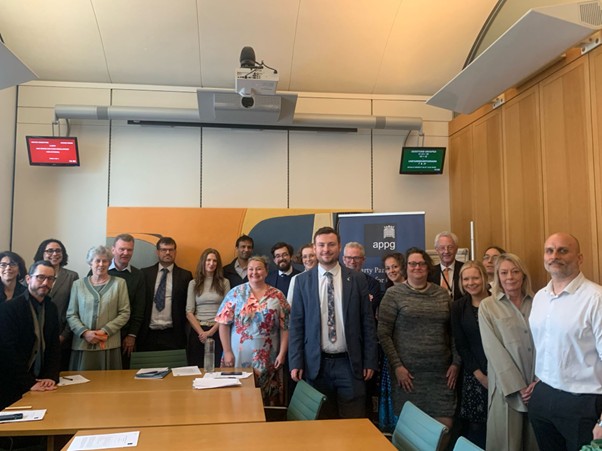
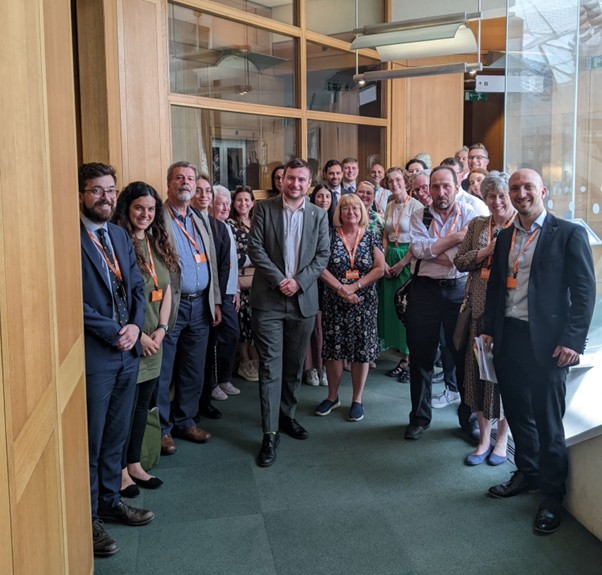
Re-establishing the Classics All-Party Parliamentary Group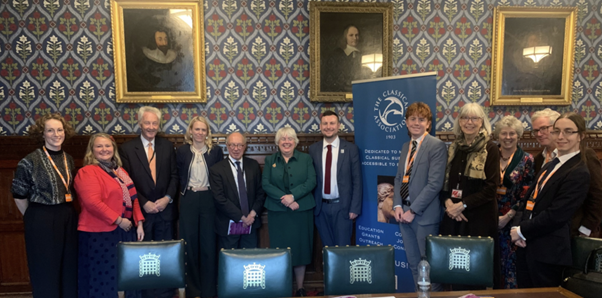
Arlene Holmes-Henderson founded the Classics All-Party Parliamentary Group with help from the British Academy Higher Education Policy Team, Prof Tim Whitmarsh (Regius Professor of Greek at Cambridge) and the Classical Association. A cross-party forum, led by former Classics teacher and Durham staff-member Dr Peter Swallow MP, it offers a national strategic platform for discussing issues affecting the learning and teaching of classical subjects in UK schools, colleges, universities, museums and communities. It held three meetings in 2024-2025: the first was in October 2024 which focussed on membership and agenda setting; the second in March 2025 focussed on Classics and the Curriculum and Assessment Review process and the third in June 2025 focussed on Greek language and culture education.
Making headlines
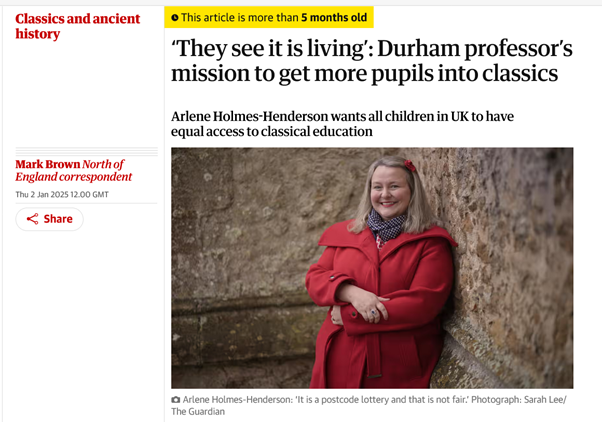
The Guardian interviewed Arlene about her work to widen access to Classics locally, nationally and internationally:
2024
CERES Launch Event
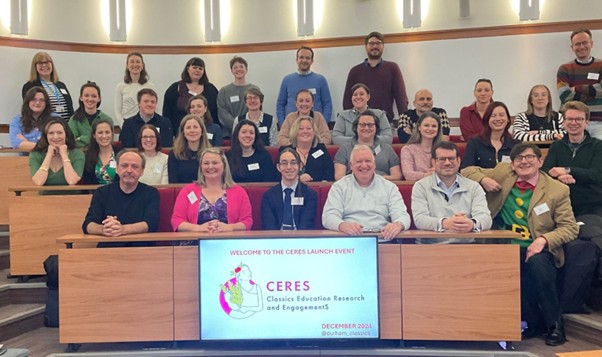
In mid-December 2024, Durham welcomed teachers, policymakers, charity representatives and researchers to an event which launched the new Durham Centre for Classics Education Research and EngagementS (CERES).
The culmination of more than a decade of collaborative vision-shaping, more than 70 attendees celebrated with talks, tea, cake and fizz.
Founding Director of CERES Professor Arlene Holmes-Henderson outlined the planned activities of CERES in the short and medium term. Deputy Director Edith Hall described the recent successful partnership with NOVUS, the prison education charity, to teach Classics in an HMP in North East of England.
The Centre’s first two PhD students, both qualified Classics schoolteachers, Iaomie Malik and Katharine Russell talked about their research projects. Attendees were delighted to hear from 1st year postgraduates who are conducting practice-based research.
Attendees were asked to provide input to shape the research centre’s strategy and identify priorities. They did so generously and the subsequent discussions revealed just how promising a sub-field of Classics research Classics Education is. By inviting perspectives from diverse stakeholders across theatre, business, journalism and policymaking, we identified opportunities for innovation which will enrich existing academic and educational approaches.