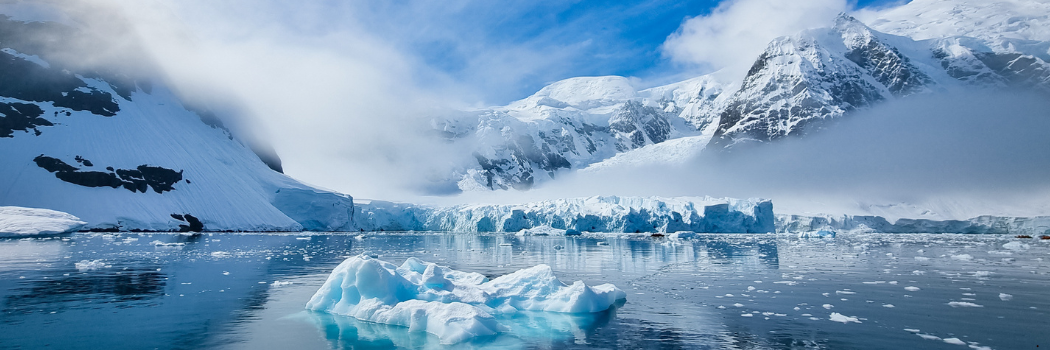
Latest news
North Sea drilling is a distraction: low carbon transition hinges on prioritising people and jobs
Debate about the need for North Sea drilling risks distracting us from asking how the UK can build a low-carbon economy now and in the future. Dr Pancho Lewis, in our Department of Geography, and Dr Ewan Gibbs, of the University Glasgow, say a programme of industrial renewal, coupled with a more expansive set of social reforms, could support a green transition away from carbon-intensive industries while narrowing social inequalities.
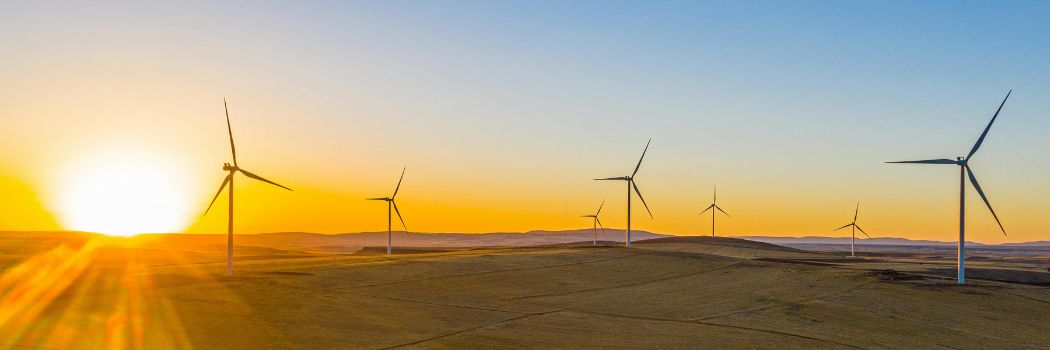
Durham researcher awarded prestigious ERC Starting Grant to explore the hidden world of AI hardware
Dr Ludovico Rella, Assistant Professor in our top-rated Geography Department, has been awarded a prestigious European Research Council (ERC) Starting Grant.

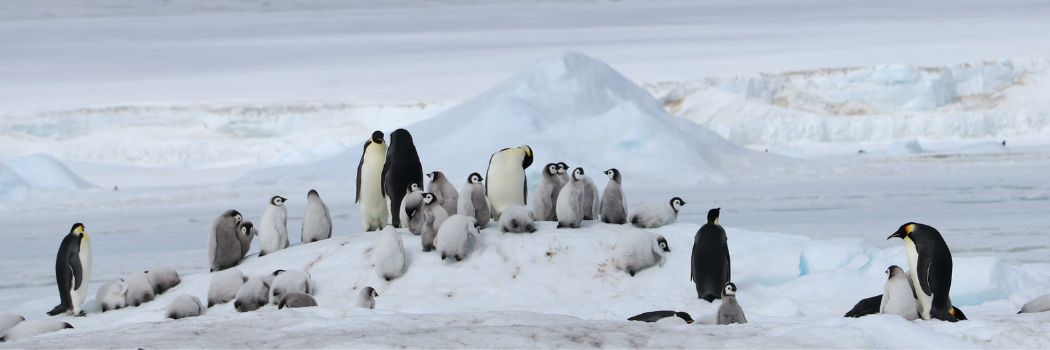
Using a radar satellite to track emperor penguins in winter is changing our understanding of the species
Knowing emperor penguins' movements during the polar winter could help support future conservation efforts. Dr Grant Macdonald, in our Department of Geography, explains how for the first time freely available satellite radar images are giving us a year-round view of their movements and improving our understanding of their response to a changing environment.
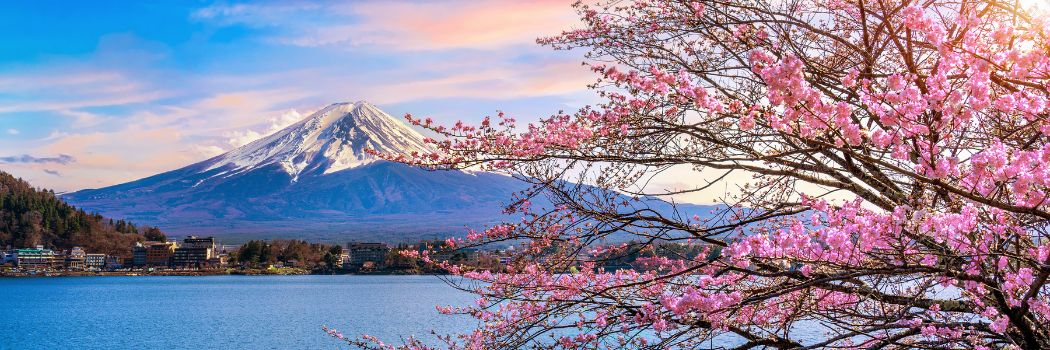
£1.3m project investigates Japanese Empire’s impact through its globetrotting singers
We’re hosting a new £1.3m (€1.5m) research project, led by Dr Amanda Hsieh, shedding light on the history and impact of the Japanese Empire on the Pacific through music.
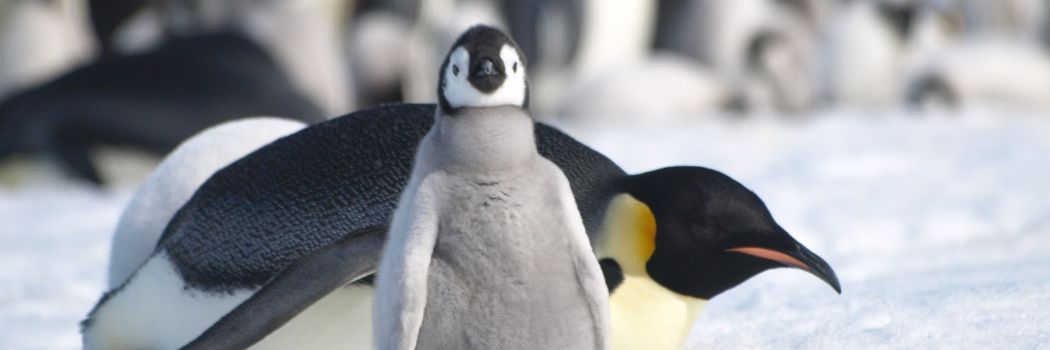
Tracking emperor penguins from space
For the first time our geographers have used freely available satellite radar images to track emperor penguins through the polar winter – giving a year-round view of their movements.
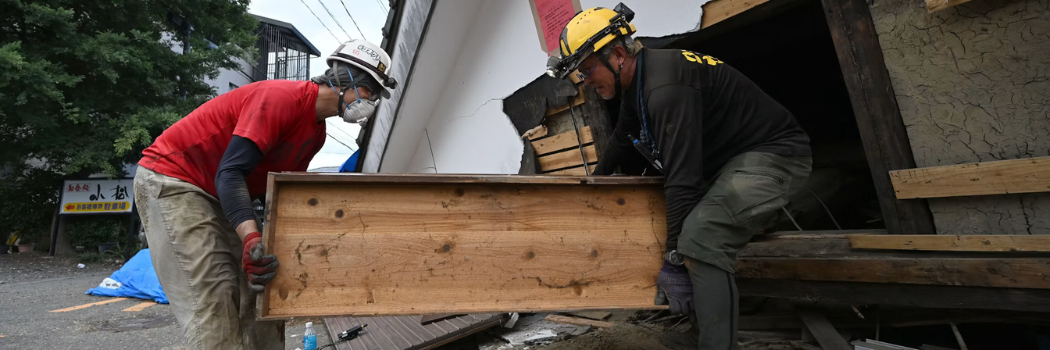
Japan’s earthquake shows extreme heat can turn one disaster into two
Professor Glenn McGregor from our Geography Department shares his insights on how Japan’s earthquake response reveals the dangers of compound disasters, where extreme heat can intensify the effects of an earthquake and create a second crisis. He highlights why disaster planning must account for overlapping climate and natural hazards, rather than treating each emergency in isolation.
Should Andy Burnham be ‘relentless’ on small boat crossings? Experts react
Professor Jonathan Darling of our Department of Geography is among a group of experts explaining the statistics and language around small boat crossings into the UK, as well as what needs to change for immigration policies to succeed.

Opening new routes into technical careers for young people
We’ve secured over £700,000 from the Natural Environment Research Council (NERC) to help more young people access technical careers in environmental science.
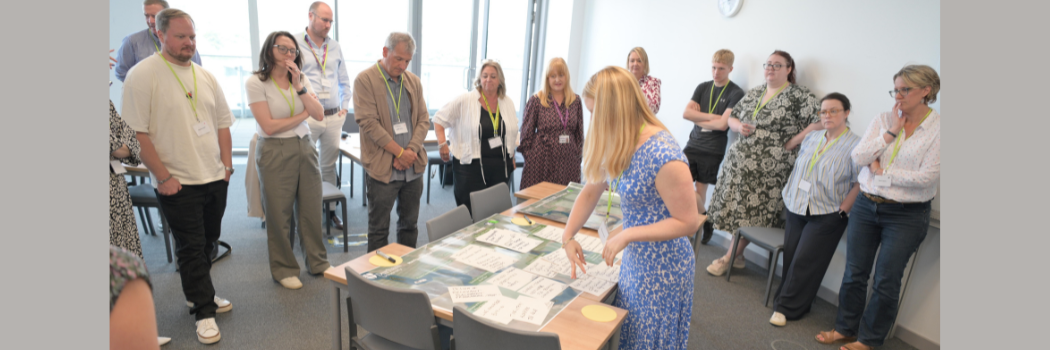
At the forefront of international energy and climate research
Our researchers are leading on international energy and climate research – from monitoring vulnerable ice sheets to shaping future energy policy.
.jpg)
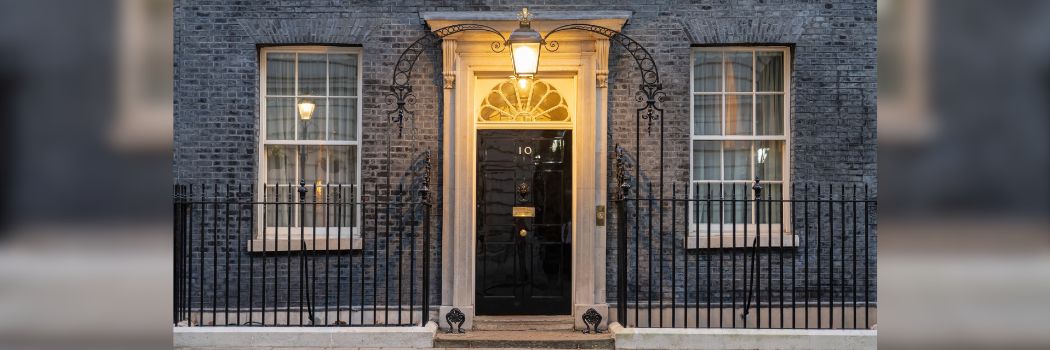
The politics of feeling: why did ‘boring’ prime minister Keir Starmer provoke such visceral reactions?
The dislike shown by some towards Keir Starmer was only partially about his performance as prime minister and as much to do with the “politics of feeling” in today’s political climate, according to Professor Ben Anderson, in our Department of Geography.
The Arctic: understanding and stewarding our planet’s frozen north
Our research is advancing understanding of the Arctic, and how we might better protect this crucial part of our planet.
.jpg)
Giant fan-shaped geological structure discovered beneath East Antarctica
An international team of researchers including our Department of Geography has discovered a vast geological structure hidden beneath the East Antarctic Ice Sheet.