


What Will You Study?
The single-honours degree covers a variety of subject areas, reflecting the Department staff’s broad range of expertise. Subject areas taught from the first year onwards are: historical musicology, music analysis, ethnomusicology, performance, contemporary composition, and composition in historical styles.
At the start of your degree you will take five or six modules in the subject areas mentioned above, with the option of taking a language module. In the second and third years, you choose from a list of modules in various exciting fields (see link below), on the basis of your own interests and ambitions. After the first year, you will also be able to study psychology of music, another strong research area of the Department.
In the third year, all students take a double-weighted major project: a dissertation on a research question of your own (which could be historical, analytical, ethnomusicological, empirical, cultural-sociological, philosophical, or interdisciplinary), a performance recital or a (contemporary or historical) composition portfolio.
As well as taking language modules, you will be able to study open modules from other Arts and Humanities departments during your second year.
You can also apply to take, after the second year in Durham, an extra year to study at a partner university overseas or to do a placement year in various lines of work.
Have a look at the Music modules that are currently offered.
Main subject areas
Music History
The Music History component provides a comprehensive introduction to Western music from the seventeenth to the twentieth centuries. Historical musicology is introduced in the first-year module 'What is the History of Western Music?' Second- and third- year special options have recently included subjects as diverse as Music and Politics in France, Studies in the History of Opera, and Music Theology.

Analysis
he first-year analysis module introduces you to key concept in the analysis of tonal common practice, focusing on music of the Baroque and Classical styles. Thereafter, you can choose from a variety of analysis modules. Recent examples include a second-year module surveying developments in music theory, exploring music from Beethoven to Stravinsky, and Studies in Symphonic Analysis.

Ethnomusicology
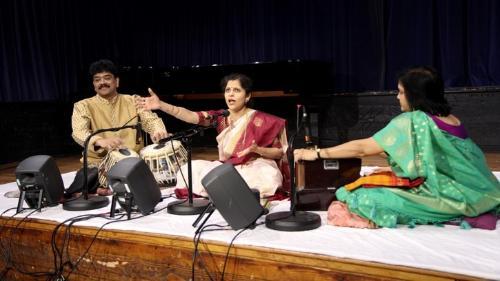
We offer a broad grounding in the cultural study of music, exploring methods for documenting and analysing musical practices (ethnography), and investigating a wide range of musical cultures from around the world. Building upon Introduction to Ethnomusicology in the first year, subsequent more specialised modules have included World Music Traditions and Advanced Ethnomusicology, as well as related modules such as Studies in Popular Music.
Performance
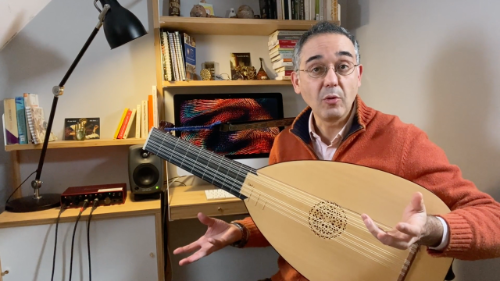
The performance programme combines classes in performance practice with recording projects, specialised subjects (with recent examples being Contemporary Music Performance and Conducting), and the option of giving a major recital in the final year. We also have a large adjunct staff of instrumental and vocal teachers and offer financial support for performance tuition across the degree. The first-year Performance 1 module takes two forms: with recital or with essay on performance as a research field.
Composition
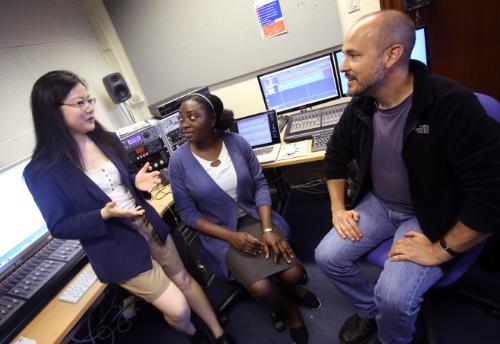
Durham is a rich environment for musical creativity, and you can put composition – acoustic or electronic – at the heart of your degree. All students gain a foundation in composing in the first year, after which we offer a range of modules in acoustic composition and creative music technology, culminating in the third-year Composition Portfolio module, with opportunities to hear your work workshopped by professional musicians. The Music Department houses three studios and a Music Technology Lab.
Historical Composition Techniques
The Historical Composition Techniques modules complement your study of free composition, analysis, historical musicology, and even psychology of music (since the ‘rules’ of historical styles correlate to a desired perceptual result). The aim here is to understand a particular musical system so thoroughly that you can create your own pieces using it. In the first year you learn fundamental skills in counterpoint and harmony (you are not assumed to have studied chorales at A Level). If you pursue this line of study into the second and third years, you can try your hand at fugue and genres such as waltz or ragtime, and then decide on your own portfolio project. Other related modules, which we commonly offer, include Orchestration.

Music Psychology
Music psychology offers perspectives to music from social sciences, with an emphasis on how listeners and musicians process and experience music. Recent music psychology modules, starting in the second year, have included Psychology of Music. You can see some of our students’ completed empirical research projects reported in an undergraduate journal entitled Durham Undergraduate Research in Music and Science (https://musicscience.net/durms/).

Discover more
Find out more about our undergraduate courses, how you will study, studying abroad, and our unique facilities and equipment.
Courses

How you will study

Study abroad

Facilities and equipment
